

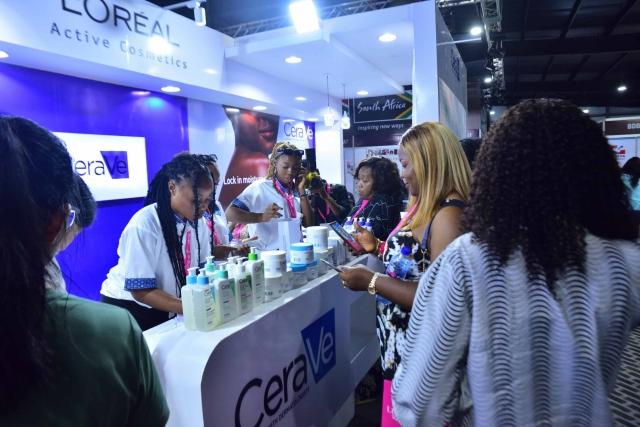
The cosmetics business in Nigeria is experiencing one of its strongest growth phases yet. From skincare lines made with local ingredients to social-media-driven beauty brands, the market is shifting fast. Nigerian consumers—especially young adults—are paying more attention to what they use on their skin, how products are sourced, and the value they get for their money.
This article explores the major trends shaping this vibrant sector, the new players entering the market, and what the future may look like for beauty entrepreneurs and cosmetic products importers across the country.
Target Audience:
Nigerian beauty entrepreneurs, cosmetics retailers, marketing agencies, beauty students, and product distributors operating within Nigeria's growing beauty market.
1. The Rise of Locally Produced Beauty Brands
One of the biggest changes in the cosmetics business in Nigeria is the increasing number of local brands entering the market. Many Nigerian consumers now want products made with ingredients they recognize and trust.
Local brands stand out because they:
- Use familiar ingredients like shea butter, turmeric, black soap, and aloe vera
- Offer products designed for Nigerian skin tones and weather conditions
- Price their items more affordably than imported premium lines
Quote from a Lagos-based retailer:
“Customers want something that feels close to home, and they trust products that reflect our climate and skin needs.”
With this shift, small- and medium-scale producers are gaining loyal followings through Instagram, WhatsApp, and in-person marketplaces.
2. Strong Influence of Beauty Content Creators
The Nigerian beauty scene is powered heavily by social media. Makeup artists, skincare influencers, and lifestyle creators play a major role in product awareness.
Key ways influencers impact the market:
- Product reviews on TikTok, Instagram, and YouTube
- Before-and-after videos, which help build trust
- Makeup tutorials that highlight specific brands
- Unboxing videos that fuel curiosity among younger buyers
Consumers—especially women between ages 18 and 35—often make buying decisions after watching product demonstrations. This trend helps new businesses enter the cosmetics market and grow faster than traditional marketing alone.
3. Increased Demand for Skin-Friendly Ingredients
Nigerian buyers are becoming more conscious about what goes into their skincare and makeup. Labels such as paraben-free, non-comedogenic, and fragrance-free are more noticeable on shelves today.
Popular ingredient trends include:
- Niacinamide
- Vitamin C
- Retinol
- Hyaluronic acid
- Shea butter
- Kojic acid (used carefully due to sensitivity concerns)
People now research ingredients before buying, and many customers prefer products that give long-term benefits rather than quick fixes.
4. Growth in Online Beauty Shopping
E-commerce is changing the cosmetics business in Nigeria. With busy lifestyles and traffic challenges, many consumers now prefer ordering beauty products online.
Platforms driving growth:
- Instagram stores
- Jumia
- Konga
- WhatsApp Catalog
- Brand-owned websites
Payment options have improved, too, making online shopping less stressful. Many customers trust sellers with clear product listings, verified reviews, and return policies.
5. Male Grooming Is Expanding Quickly
Years ago, beauty products in Nigeria were targeted mainly at women. Today, the male grooming market is rising.
Products gaining attention:
- Beard oils
- Face wash and moisturizers for men
- Hair care for men
- Perfumes and deodorants
- Shaving and beard-care sets
Men are more open to skincare routines, and brands are responding with products that suit men's lifestyles and skin needs.
6. Higher Standards for Product Safety
More consumers now care about product safety, authenticity, and registration. With rising concerns around counterfeit cosmetics, Nigerians are looking for brands with clear labeling and NAFDAC approvals.
Shoppers check:
- Manufacturing dates
- Expiry dates
- Ingredient lists
- Authentic packaging
Retailers and cosmetic products importers are also under pressure to provide safe, verified items to maintain trust.
7. Hybrid Beauty Stores and Experience-Based Shopping
Many modern beauty stores are no longer simple shelves with products. They now incorporate experience-based setups.
Examples include:
- Test-and-try sections
- Shade-matching booths
- Skin analysis devices
- Makeup demo corners
These features build customer confidence and help stores stand out from small online-only sellers.
8. Sustainability and Eco-Friendly Packaging
More Nigerian customers are asking for packaging that is simple, recyclable, or refillable. Though it's still a growing trend, brands using minimal or eco-conscious packaging often receive positive feedback from younger buyers.
Some brands now promote:
- Reusable jars
- Refillable pouches
- Biodegradable labels
While cost remains a concern, consumers appreciate brands that take even modest steps toward sustainability.
9. Expansion of Beauty Training and Professional Courses
With more demand for makeup artistry, skincare formulation, and lash/brow services, training centers are increasing across Lagos, Abuja, Port Harcourt, and other major cities.
Popular training subjects include:
- Makeup and bridal glam
- Cosmetic formulation
- Organic skincare production
- Lash extensions
- Brow services
- Digital marketing for beauty businesses
This trend supports the entire cosmetics ecosystem by raising product knowledge and professional standards.
10. Market Data Snapshot (Rich Snippet Table)
Below is a simple overview of Nigeria's cosmetics market:
|
Category |
Trend Level |
Notes |
|
Skincare |
High |
Demand for brightening, acne-care, and hydrating products |
|
Makeup |
Medium |
More competition from local brands |
|
Fragrances |
High |
Strong growth among young adults |
|
Haircare |
High |
Natural hair movement continues |
|
Male Grooming |
Rising |
Fast-growing category in urban areas |
Conclusion
The cosmetics business in Nigeria is moving fast, with trends shaped by technology, consumer awareness, and local innovation. From skincare to grooming products, Nigerian buyers are becoming smarter and more intentional. Entrepreneurs who understand these trends—and adapt early—will stand out in a highly competitive but promising market.
FAQ — Cosmetics Business in Nigeria
1. Is the cosmetics business in Nigeria profitable?
Yes. Demand for skincare, makeup, and grooming products is rising every year due to population growth, social media influence, and lifestyle changes.
2. Do I need NAFDAC approval to sell beauty products?
Imported and manufactured cosmetics generally require NAFDAC clearance. However, simple handmade products may follow different rules. Always confirm from official sources.
3. How important is packaging for Nigerian customers?
Packaging matters a lot. Clear labels, safe containers, and neat branding make buyers trust the product more.
4. Are local beauty brands competing with global brands?
Yes. Many local brands now offer high-quality skincare that meets the needs of Nigerian consumers better than some imported options.
5. How do I stand out in the cosmetics business in Nigeria?
Focus on product safety, authenticity, consistent branding, social media presence, and customer engagement.